News
Novo Nordisk's Q1 Results Just Confirmed: India's Generic Ozempic Market Is Real, It Is Already Hurting Novo, and It Could Reach $1 Billion
By Mustafa Shariff, Editor in chief · May 19,2026 · 2 min read
Summary
- Novo Nordisk Confirms India Generic Semaglutide Impact in Q1 2026: What the Numbers Mean for Indian Pharma
- Novo Nordisk's Q1 2026 earnings have confirmed that Indian semaglutide generics are already affecting its International Operations. Here is the full analysis of India's generic GLP-1 revolution.
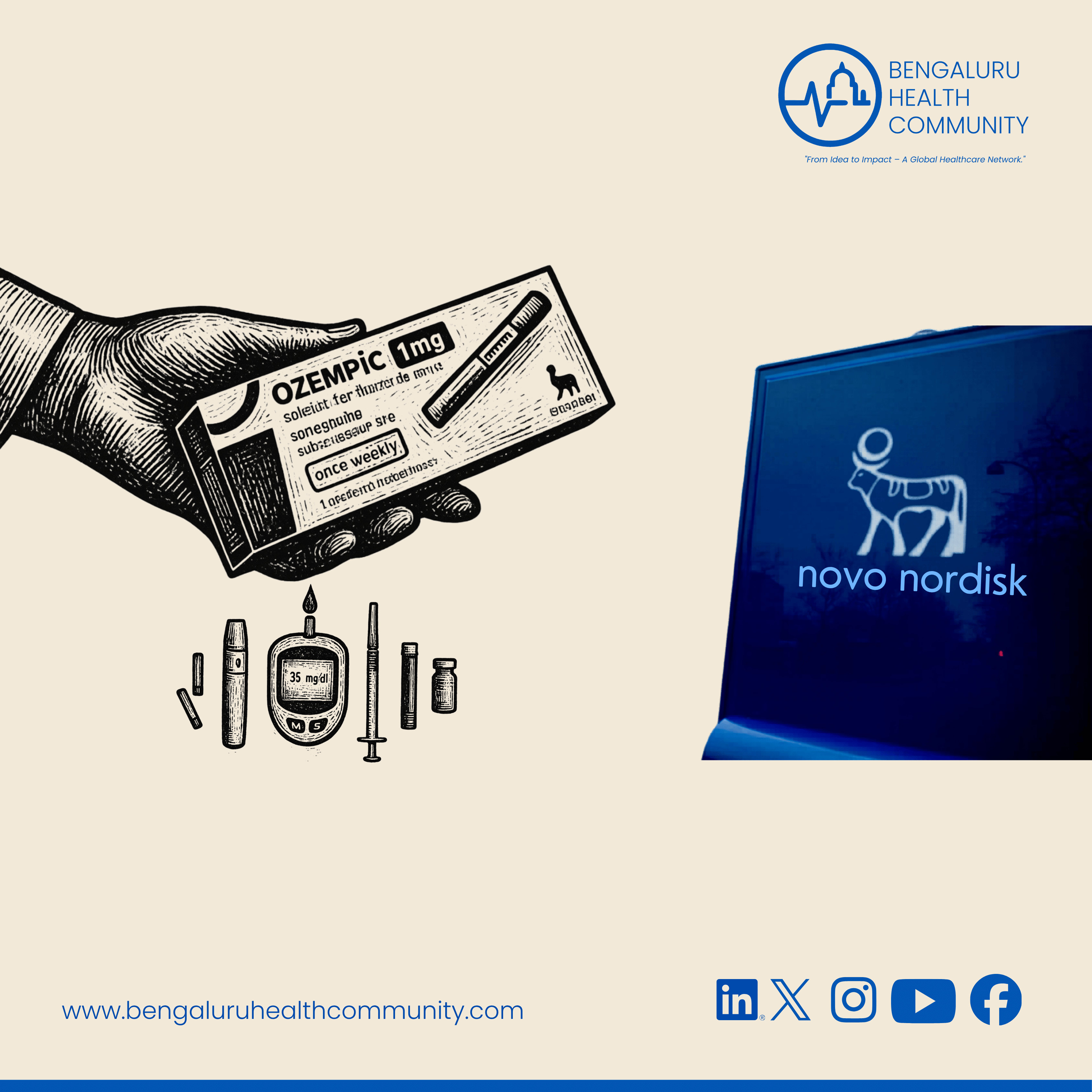
Novo Nordisk's first quarter 2026 earnings report, released this week, contains a specific acknowledgment that makes it the most consequential document in Indian pharmaceutical market analysis right now. The company stated: During Q1, semaglutide generics were launched in India by competing companies. The company further noted that it still expects to experience an adverse impact on sales in 2026 from loss of exclusivity for the semaglutide molecule in certain markets in International Operations. India has emerged as one of the earliest major markets globally to witness large-scale generic competition in semaglutide after the molecule's patent expiry in March 2026.
The language is measured but the commercial significance is unambiguous: the world's most commercially successful pharmaceutical company of the past three years is explicitly acknowledging revenue impact from Indian generic competition. For India's pharmaceutical industry, this is a confirmation — from the originator itself — that the generic semaglutide launches that have been making headlines since March 20 are having real commercial effects at a scale that affects Novo Nordisk's quarterly earnings.
The Indian Generic Semaglutide Market — What Has Launched
India's semaglutide patent expiry on March 20, 2026 — when the core Indian patent protecting the molecule lapsed — triggered one of the most competitive generic drug launches in Indian pharmaceutical history. The number of companies that had been preparing for this date for months or years became apparent in the days and weeks following expiry. At least five major Indian pharmaceutical companies launched generic semaglutide products within the first weeks of patent expiry, with more following.
Sun Pharmaceutical Industries — India's largest pharmaceutical company by revenue — launched generic semaglutide at approximately ₹750 per weekly injection (roughly ₹3,000-3,400 per month), representing a discount of more than 60% to Novo's pre-competitive pricing. Dr Reddy's Laboratories — which also received the world's first generic semaglutide approval in Canada this year — launched in India at approximately ₹4,200 per month for the diabetes indication, with plans for expansion across Canada, Turkey, and Brazil. Natco Pharma, which received CDSCO approval in February 2026 and partnered with Eris Lifesciences for commercialisation, launched in a multi-dose vial format at ₹1,250 per month — one of the lowest-priced options in the market. Alkem Laboratories launched prefilled semaglutide injections starting at ₹1,800 per month. Mankind Pharma, Ajanta Pharma, Zydus, and others have also entered or announced entry.
The Market Size and Growth
The Indian semaglutide market's trajectory before and after patent expiry validates the extraordinary commercial significance of what has been triggered. According to Indian market intelligence firm Pharmarack, the moving annual turnover for GLP-1 drugs in India in February 2026 — while Novo Nordisk's product still held the market alone — was ₹14.46 billion, representing growth of 178% year-on-year. Novo Nordisk had already cut its Indian pricing by 37% in late 2025 in anticipation of generic competition.
Jefferies analysts project that the availability of lower-priced generics could help drive India's semaglutide market to over $1 billion in total value — implying a market that is currently far smaller than its clinical potential, with affordability being the primary constraint. India has approximately 100 million people living with diabetes and an estimated 254 million adults with generalised obesity. Semaglutide's clinical efficacy in both conditions creates a theoretical patient population of hundreds of millions — but penetration has been limited by pricing. At ₹1,250-4,200 per month rather than ₹8,800-10,000, a meaningfully different segment of India's diabetic and obese population can consider treatment.
Novo Nordisk's Response
Novo Nordisk's response to Indian generic competition has been strategic rather than purely defensive. The company is focusing on integrating obesity care into primary care and strengthening medical education around obesity treatment in India — positioning its branded products on clinical credibility, patient support programmes, and physician relationships rather than price alone. The Wegovy pill — its oral semaglutide for obesity, launched in the US in January 2026 and crossing two million prescriptions — is a differentiated product that generics cannot yet match in formulation sophistication.
The global GLP-1 market is estimated to exceed $70 billion in 2026, and Novo Nordisk's overall Q1 performance — global sales of DKK 96.8 billion, obesity care sales up 22% at constant exchange rates, more than 45 million people globally on its treatments — confirms that the company's global growth trajectory remains strong even as specific markets like India face generic competition.
BHC Perspective
At Bengaluru Health Community, India's semaglutide generic revolution is one of the most significant market events in Indian pharma in a decade. For BHC founders building in metabolic disease management, diabetes care platforms, or preventive health technology — the democratisation of GLP-1 access in India creates a patient population that is now clinically manageable with affordable medication for the first time. For BHC mentors with pharma commercial experience — the generic GLP-1 market is the commercial innovation challenge of the year: how do you build sustainable businesses when the most impactful drug category of the decade is becoming commodity-priced in India?
Frequently Asked Questions
Q: What did Novo Nordisk confirm in Q1 2026 about India?
A: Novo Nordisk explicitly acknowledged in its Q1 2026 earnings that semaglutide generics were launched by Indian companies during Q1 2026 following India's March 20 patent expiry, and that this is creating adverse impacts on its International Operations sales.
Q: What are the key generic semaglutide players and prices in India?
A: Sun Pharma: ~₹750/weekly injection; Dr Reddy's: ~₹4,200/month; Natco Pharma: ₹1,250/month (multi-dose vial); Alkem: ₹1,800/month. Compared to Novo's original branded pricing of ₹8,800-10,000 before competitive pricing reductions.
Q: How large could India's generic semaglutide market become?
A: India's moving annual GLP-1 turnover was ₹14.46 billion in February 2026, growing 178% year-on-year. Jefferies projects the market could reach over $1 billion as generic pricing makes treatment accessible to a broader segment of India's 100 million+ diabetic and 254 million obese population.